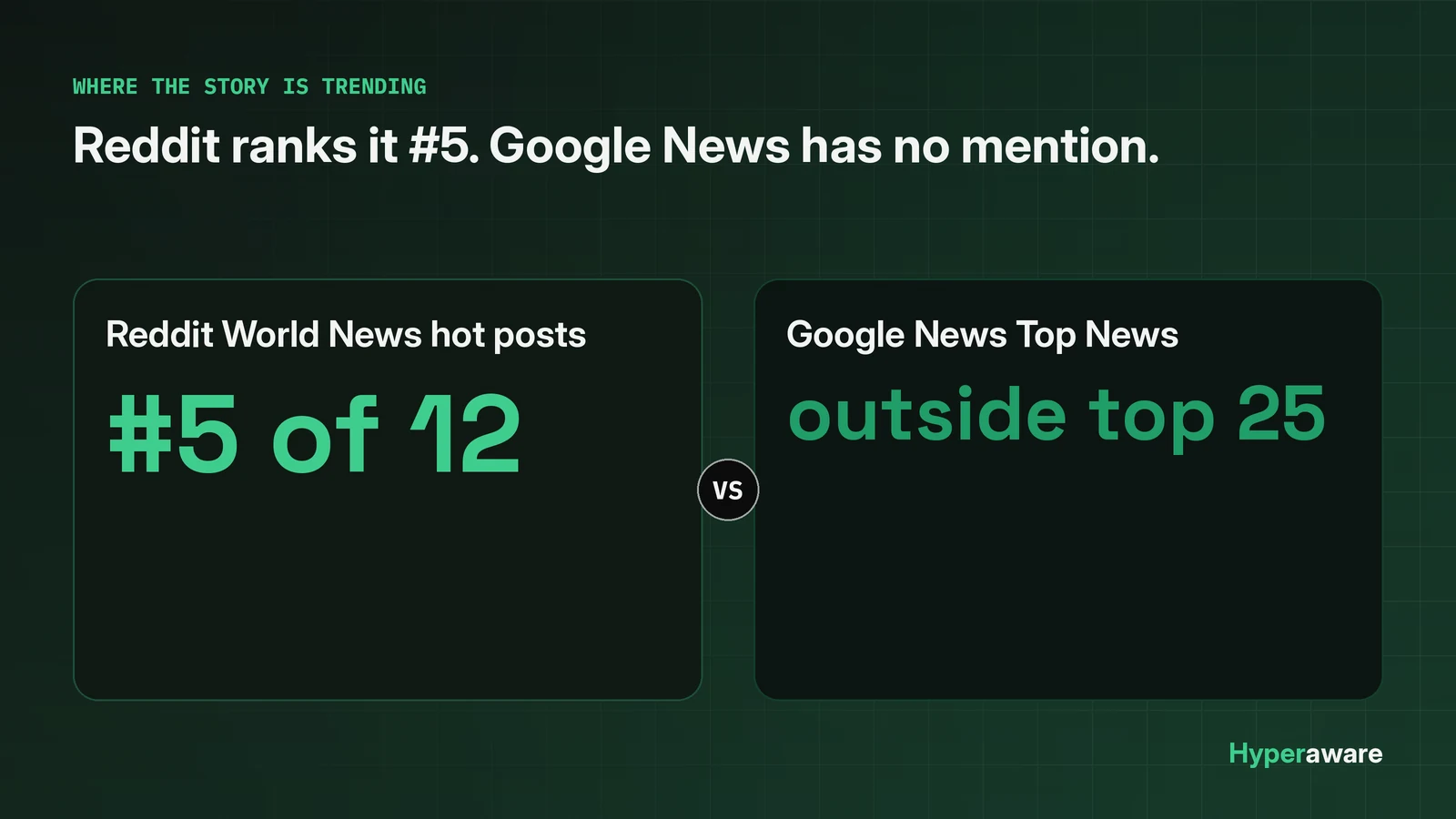
France's national blood service confirmed on November 3 that attackers reached the refrigeration controls of a maintenance contractor and reprogrammed cold rooms holding blood plasma and platelets, shifting setpoints from about -30°C to 110°C. The Établissement français du sang says its own systems were not breached, an on-call technician caught the temperature rise overnight, and no blood products were lost. The story is the number 5 item on today's Reddit World News hot-posts board and the only cyber story there, yet it does not appear anywhere in the top 25 of Google News Top News, which is saturated with midterm election coverage. That split is why forums are spiking on this before front pages are.
Reddit ranks it fifth; Google News does not rank it at all
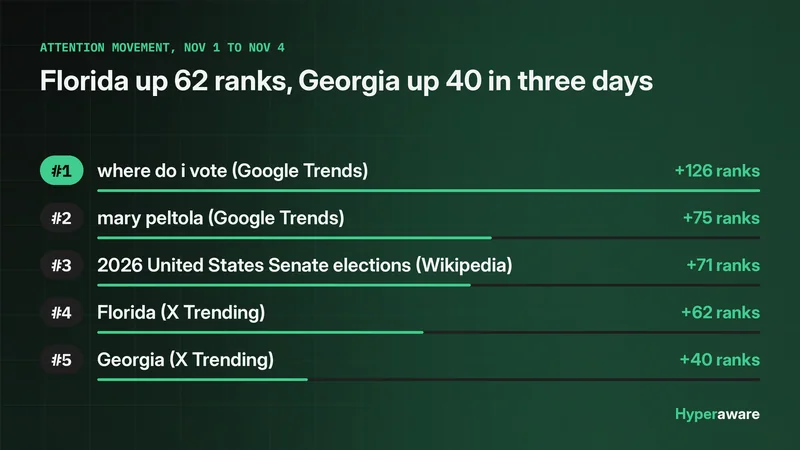
At 15:01 UTC on November 4, the Reddit World News board listed "Hackers Hijacked French Blood Plasma Freezers, Changing Temperature Settings From −30°C to 110°C" at number 5 of 12 hot posts. It is the only cyberattack story on that board; the other eleven slots belong to the war in Ukraine, the US-Iran conflict, and the US midterm results. The Google News Top News board, checked at the same minute, contains no mention of the incident in its top 25 rows. That board is all midterms and markets instead. When a story breaks on discussion boards but not on curated front pages, something bigger is usually crowding it out. The midterms explain the crowding here. The gap is the news: the highest-stakes target in a weeks-long European refrigeration sabotage campaign is trending in forums while front pages are full.
What EFS says happened overnight
Attackers reached the remote management system of the contractor that maintains EFS cold rooms overnight between November 1 and 2 and reprogrammed temperature setpoints at three storage sites, moving them from around -30°C to as high as 110°C. The Établissement français du sang confirmed the incident on November 3. The cold rooms held donor samples and frozen plasma for transfusion and for manufacturing medicines, which must be stored at or below -25°C.
EFS says its own information systems were not directly targeted, and that its monitoring and alarm systems picked up the anomaly quickly. An on-call technician noticed the temperature climbing during the night and acted, and products were moved to other facilities as a precaution. Nothing was lost, and collections and deliveries continued as normal. The organization notified ANSSI, France's national cybersecurity agency, and the Health Ministry. French reporting, citing Le Canard enchaîné, identified the contractor as Coolworld; EFS itself has not named it, and Coolworld has not commented publicly. One detail keeps the headline numbers honest: 110°C was the setpoint instruction sent to the controllers, not a measured temperature inside the freezers. It was never reached.
Supermarkets were the rehearsal
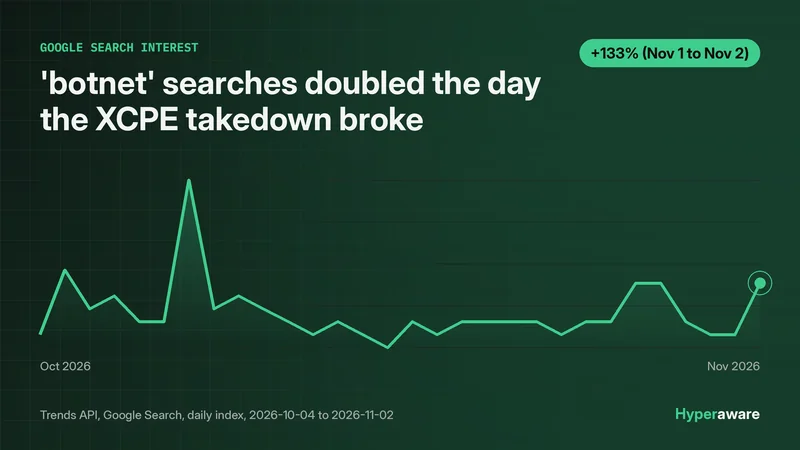
The EFS intrusion is the latest move in a refrigeration-sabotage campaign running for weeks across Europe. In October, hackers changed settings at around 700 supermarkets and shops in France, according to the French finance minister. On November 2, the same night as the EFS attack, supermarkets in at least six countries reported problems, with one Swedish store's units set to 50°C. Belgium, Ireland, Luxembourg and Sweden reported the first cases of this wave; Estonia, Finland, Germany, Portugal, Romania and the Netherlands followed, and ioplus.nl counts at least eleven countries hit. Nobody has claimed responsibility, and no government has attributed the campaign. The contrast with the XCPE botnet takedown earlier this week is instructive: that operation ended with named companies and seized servers, while this campaign has no named culprit to lead a front-page headline. That silence is part of why forums are doing the ranking work.
The controllers were reachable from the public internet
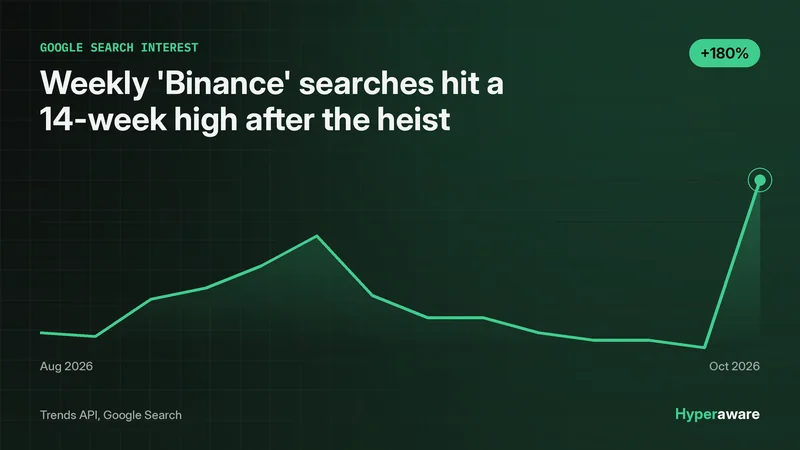
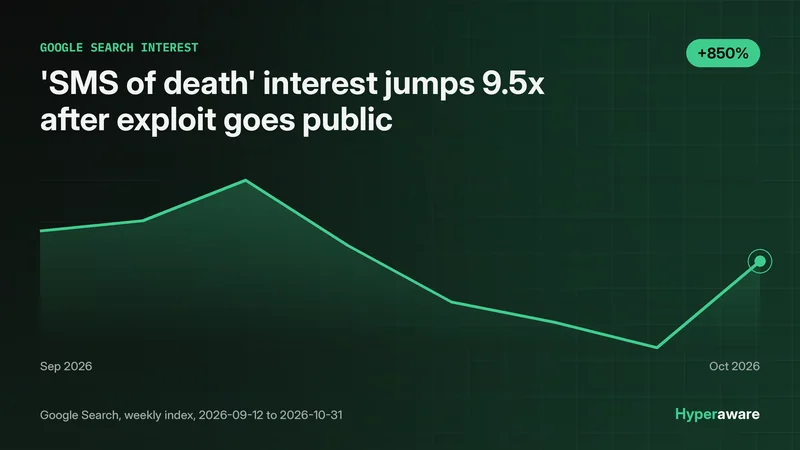
The method needs no malware and no zero-day. CERT-FR warned in October about administration interfaces on refrigeration controllers, chiefly legacy Danfoss AK-SM and AK-SC units and Copeland/Dixell XWEB platforms, left exposed to the internet with weak passwords. Attackers logged in and used the controllers' own functions to change setpoints and defrost schedules overnight, when stores were unstaffed and alarms were least likely to be answered. More than 2,765 Danfoss systems were still exposed, per reporting ioplus.nl cites. Whether the EFS intrusion used the same access route as the supermarket waves remains unclear, per The Register. Suspected refrigeration attacks hit US military commissaries in August, and the Dutch chain Albert Heijn's websites and delivery operations were hit in October. Blood plasma was the highest-stakes target reachable through a contractor's login. It joins a run of November cyber-incident explainers here, including the Binance hack and the Android SMS of Death exploit.