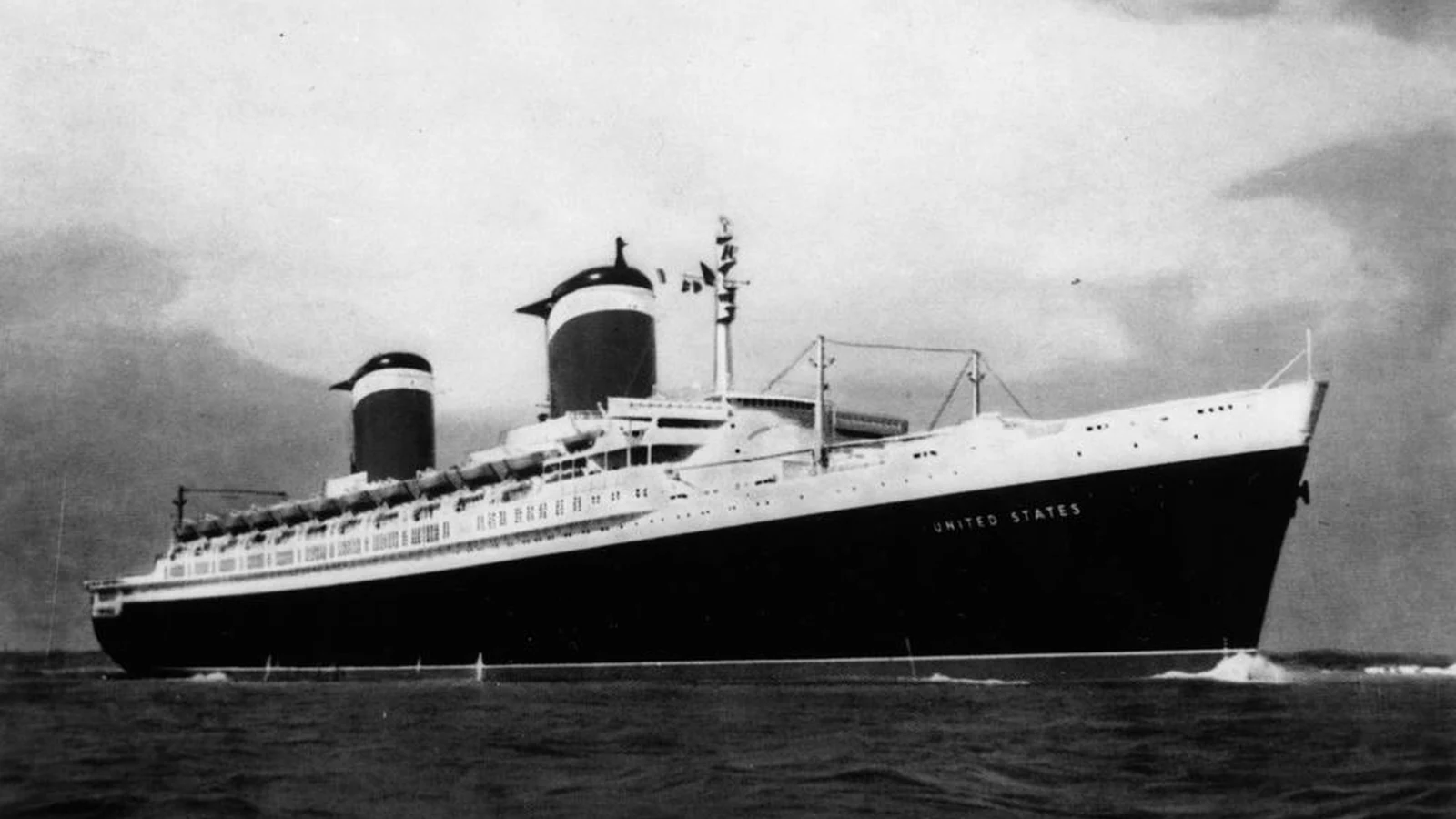
The SS United States, the fastest ocean liner ever built, sank on purpose off the Florida coast on the evening of November 11, 2026. Okaloosa County flooded the 990-foot ship about 22 nautical miles southwest of Destin so it can serve as the world's largest artificial reef, passing the USS Oriskany. The liner settled on the seafloor just before 10 p.m. Eastern, and recreational divers can visit it from dawn on November 12. The sinking put the story at No. 2 on Google News and No. 15 on Wikipedia's trending list the next morning.
News at No. 2, Wikipedia at No. 15
The attention arrived on two fronts at once. On the morning of November 12, the sinking ranked No. 2 on Google News Top News and No. 15 on Wikipedia Trending. Google Search interest in "SS United States" had already tripled over the previous 30 days: the index stood at 1 on October 10, peaked at 4 on October 31, and sat at 3 on November 7. The same Wikipedia board also listed the SS Edmund Fitzgerald at No. 9, so shipwrecks in general were on readers' minds that morning. News attention and reference lookups moved together: a fresh event on one board, a 74-year history to look up on the other. November's fastest risers show the same split: a spike starts with the event, then readers go looking for the backstory.
Seven hours from flooding to seafloor
Crews opened valves in the hull at about 2:40 p.m. Eastern on November 11 and let seawater in, with no explosives used, according to USA Today. The ship was fully flooded by 5:47 p.m. and settled on the seafloor at 9:59 p.m., nearly 200 feet down. The operation had been planned for Thursday but moved up a day because strong winds were forecast, Fox Weather reported. The wreck rests about 22 nautical miles southwest of Destin and 32 nautical miles southeast of Pensacola Pass, with its top deck roughly 60 feet below the surface. A federal judge had denied a last-minute lawsuit seeking to halt the sinking on November 6, the Pensacola News Journal reported.
A $10.1 million bet on divers and fish
Okaloosa County bought the ship in October 2024 for $10.1 million, the Pensacola News Journal reported, and towed it from Philadelphia to Mobile, Alabama, for cleanup before the sinking. The county's bet is tourism: artificial reefs already bring roughly $10 million to $12 million a year in economic benefits to the county, tourism director Jennifer Adams told NPR, and she expects the number to climb. The ship joins the USS Oriskany, an 888-foot carrier sunk off Pensacola in 2006, giving the Florida Panhandle the first and second largest artificial reefs in the world about 12 nautical miles apart. Florida has created more than 4,000 artificial reefs since 1940, according to the state fish and wildlife commission tally cited by NPR. Adams told NPR the county already plans five or six more.
The record that stood for 74 years
The ship earned its fame in a single week in July 1952. On its maiden voyage it crossed the Atlantic in 3 days, 10 hours and 40 minutes, taking the Blue Riband for the fastest crossing, a record no liner has beaten since. It carried four presidents and the Mona Lisa, NPR reported. Service ended in 1969, and the ship sat moored in Philadelphia from 1996 until February 2025, rusting while preservation groups tried to save it. Susan Gibbs, head of the SS United States Conservancy and granddaughter of the ship's designer, told NPR before the sinking that reefing was "by far the more dignified solution" than the scrapyard. Her organization sold the ship to the county in 2024.
Divers go down at dawn
Recreational divers can visit the wreck starting at dawn on Thursday, November 12, the Pensacola News Journal reported, provided the deployment went as planned. The first dive will be run by teams from Destin-Fort Walton Beach and the Woods Hole Oceanographic Institution. A Maryland diving club had already booked tickets and a charter boat days after the sinking date was set, NPR reported. The county's $10.1 million now has to earn its keep in dive trips and hotel nights. More stories drawing the same kind of attention are on the news board.